
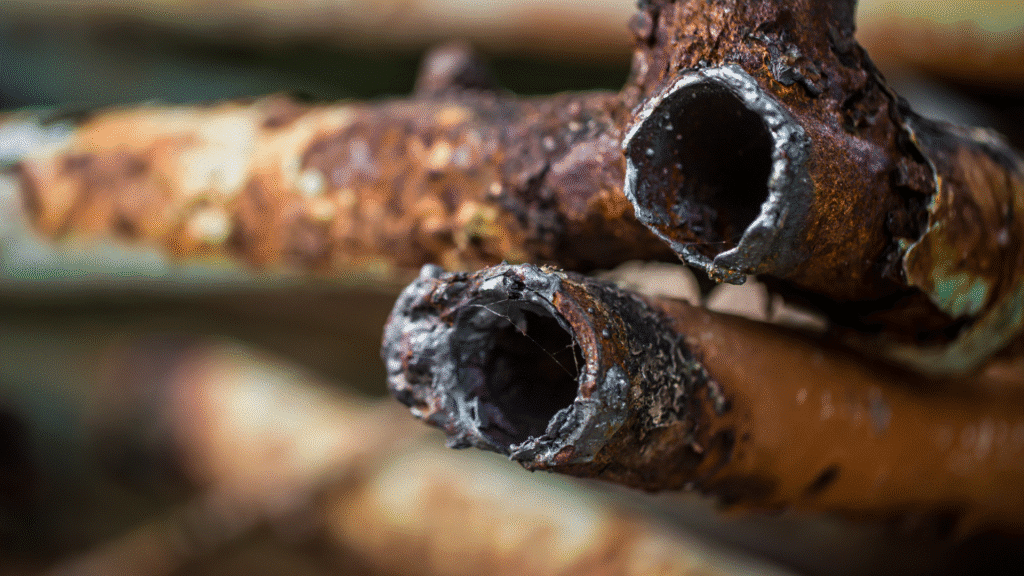
If you live in an older Florida home, your cast iron pipes might already be wearing out — even if everything seems fine on the surface. Thousands of homes across the state are reaching the age where underground plumbing begins to corrode, leak, or collapse.
The cause isn’t bad luck or poor construction. It’s Florida’s environment itself. The humidity, salt, and soil conditions that make the state beautiful are also what destroy cast iron from the inside out.
Our video inspection services help homeowners see what’s happening underground before the damage leads to major repairs. Here’s why these pipes fail sooner in Florida, what warning signs to look for, and how modern trenchless repair technology can give your plumbing decades of new life.
Why Cast Iron Pipes Don’t Last in Florida
Cast iron pipes were the standard for home plumbing for decades. They were strong, quiet, and built to last 50 years — at least on paper. But that lifespan assumes moderate conditions. Florida’s environment speeds up corrosion dramatically.
Let’s break down the main reasons:
- Humidity and salt air: Coastal moisture and airborne salt accelerate rusting, even in homes miles inland.
- High groundwater levels: Standing water around pipes keeps them constantly damp, feeding corrosion 24/7.
- Acidic soil: Certain regions of Florida have naturally low soil pH, which eats away at cast iron faster.
- Age: Many homes built before 1980 still rely on their original systems, now past their expected lifespan.
Even if your home isn’t directly on the coast, humidity alone can cause rust flakes and buildup inside the pipe walls. Over time, this narrows the diameter of your sewer line until it eventually clogs or collapses.
Early Signs Your Pipes Are in Trouble
The problem with underground corrosion is that it hides until something goes wrong. But there are small clues that can warn you early.
Watch for these common signs:
- Slow drains throughout the home, not just in one fixture
- Recurring backups, especially after heavy rain
- Unexplained wet spots on floors or near walls
- Gurgling noises or foul odors coming from sinks and tubs
- Foundation cracks or soft soil near the home’s perimeter
Any of these could point to a failing cast iron line. The only way to know for sure is to look inside the pipes — and that’s exactly what a camera inspection does.
How Video Inspections Reveal Hidden Damage
Modern plumbing doesn’t rely on guesswork. A small, high-definition camera can travel through your drain and sewer lines, capturing real-time footage that shows exactly what’s going on inside.
Here’s how it works:
- A technician feeds a waterproof camera into the cleanout or drain access point.
- The live video feed displays inside the truck or on a handheld screen.
- We identify cracks, corrosion, root intrusion, or blockages with precise location data.
- After inspection, we provide a digital report and video recording for your records.
You’ll see your plumbing from the inside — no digging, no damage, and no uncertainty. That footage helps determine whether your pipes need a deep cleaning, lining, or full replacement.
The Best Fix: Trenchless Pipe Lining
Once we know the extent of the corrosion, trenchless repair is often the best solution. Cured-in-place pipe (CIPP) lining restores your existing pipe from the inside out. It’s a no-dig process that creates a seamless new pipe within the old one.
Here’s what makes it effective:
- Minimal disruption: No need to tear up driveways, tile, or landscaping.
- Fast installation: Most residential projects finish in one to two days.
- Long-term durability: The epoxy liner lasts up to 50 years and resists corrosion.
- Improved flow: The smooth interior surface prevents buildup and future clogs.
It’s the modern alternative to full excavation — fast, permanent, and much cleaner.
Why Acting Early Saves You Money
Homeowners often wait until a major failure forces emergency repairs, but early action can save thousands. Video inspections are quick, affordable, and can be done before visible damage occurs.
Here’s what proactive maintenance prevents:
- Costly foundation or flooring repairs from leaks under the slab
- Backups that damage drywall, flooring, and furniture
- Extended downtime during major replacements
By catching corrosion early, you avoid surprise expenses and can plan repairs on your schedule — not your plumbing’s.
Real Florida Examples
Across the state, we’ve seen similar issues play out again and again. In coastal communities like Jacksonville and Satellite Beach, cast iron systems corrode up to 40% faster than in inland areas. Video inspections show scaling, cracks, and root intrusion in pipes that look perfectly fine from above.
After inspection, homeowners typically choose trenchless lining to prevent further damage. Once the new epoxy liner is installed, water flow returns to normal, and the system is protected for decades — no digging required.
How to Know When to Schedule an Inspection
If your home was built before 1980, it’s time to schedule a professional inspection, especially if you’ve noticed slow drains or recurring backups. Even newer homes can benefit from a baseline check if they’re built in high-humidity zones or near the coast.
Video inspections are quick and non-invasive. In most cases, we can complete the process in under an hour and provide footage right after. That means you’ll know exactly what’s going on — and how to fix it — before making any decisions.
Get a Clear Look at Your Pipes
Seeing inside your plumbing system takes the guesswork out of repair decisions. Our team will walk you through your video footage, explain your options, and recommend the best long-term fix.
Start by learning more about our Video Inspection Services, or book your camera inspection today.
Pipeflow Solutions serves homeowners across Florida with the latest trenchless technology, decades of experience, and a focus on honesty and clarity. One quick inspection today can prevent a costly repair tomorrow.