
What Is Pipe Lining?
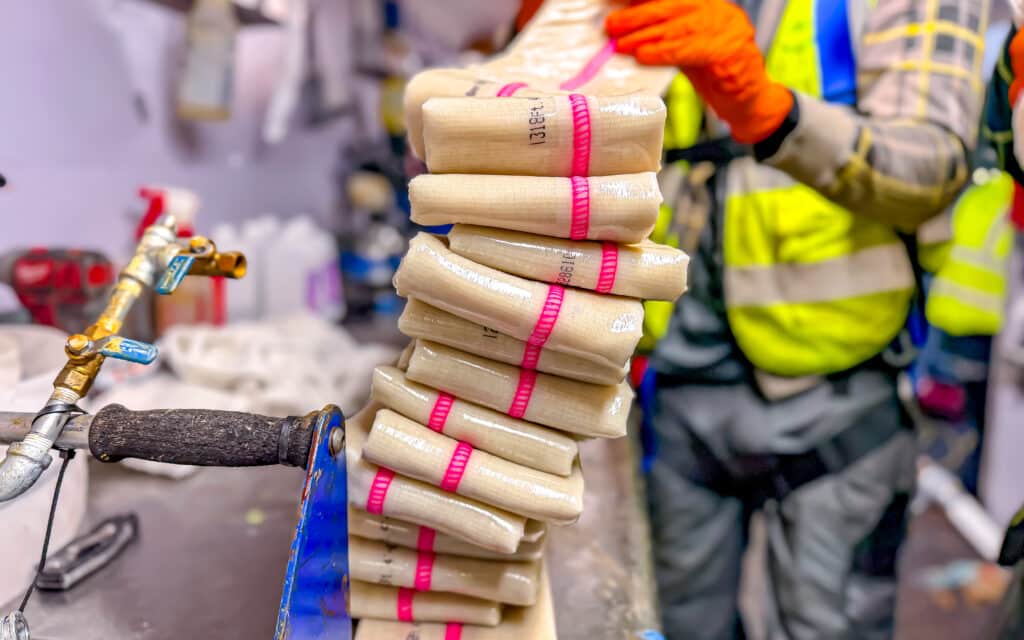
Pipe lining is a trenchless method of repairing damaged sewer and drain pipes from the inside, without digging up floors, landscaping, or concrete. Instead of replacing the pipe, plumbers install a new structural liner inside the existing pipe, restoring its integrity and performance.
The most common form of pipe lining is cured-in-place pipe (CIPP) lining, which creates a seamless, jointless pipe within the old one.
For homeowners across Central Florida, pipe lining offers a modern alternative to full pipe replacement.
How CIPP Pipe Lining Works
CIPP pipe lining follows a precise, controlled process designed to ensure long-term durability.
Step 1: Video Pipe Inspection
A camera inspection is performed to evaluate the pipe’s condition, identify cracks or corrosion, and confirm that pipe lining is a viable solution.
Step 2: Pipe Cleaning and Preparation
The pipe is thoroughly cleaned using hydro jetting or mechanical tools. This removes scale, grease, roots, and debris so the liner can bond properly.
Step 3: Liner Installation
A flexible liner saturated with epoxy resin is inserted into the pipe and positioned through the damaged section.
Step 4: Curing Process
The liner is inflated and cured in place, hardening into a new pipe with no seams or joints.
Step 5: Final Inspection
Once cured, the pipe is reinspected to verify a complete, successful repair.
What Types of Pipe Damage Can Pipe Lining Fix?
Pipe lining is effective for many common sewer problems, including:
-
Cracked or fractured pipes
-
Corrosion from aging cast iron pipes
-
Root intrusion
-
Minor offsets or misalignments
-
Leaking joints
However, pipes that have fully collapsed or lost their structural shape may require alternative repair methods.
Pipe Lining vs Pipe Replacement
| Pipe Lining | Pipe Replacement |
|---|---|
| No excavation | Extensive digging |
| Faster completion | Longer repair timelines |
| Minimal disruption | Property damage |
| Lower restoration costs | Higher restoration costs |
| Seamless interior pipe | New pipe installation |
Pipe lining is often the preferred option when the existing pipe still has enough structure to support a liner.
How Long Does Pipe Lining Last?
When installed correctly, CIPP pipe lining can last 50 years or more. The epoxy liner resists corrosion, root intrusion, and joint failure, making it a long-term solution for aging sewer systems.
How Much Does Pipe Lining Cost?
Pipe lining costs depend on:
-
Length and diameter of the pipe
-
Severity of damage
-
Pipe accessibility
-
Cleaning requirements
While pricing varies, pipe lining often saves money by eliminating the need for excavation, concrete repair, and landscaping restoration.
A professional inspection provides the most accurate estimate.
Is Pipe Lining the Same as Trenchless Sewer Repair?
Pipe lining is one of the most common trenchless sewer repair methods, but not the only one. Trenchless sewer repair also includes techniques such as pipe bursting or sectional repairs.
Pipe lining is best suited for repairing pipes that are damaged but still structurally intact.
Is Pipe Lining Right for Your Home?
Pipe lining is ideal for homeowners experiencing:
-
Recurring sewer backups
-
Slow or gurgling drains
-
Aging cast iron or clay pipes
-
Sewer lines under slabs or driveways
A professional inspection determines whether pipe lining is the right solution.
Schedule a Pipe Inspection with Pipeflow Solutions
Pipeflow Solutions provides expert pipe lining and trenchless repair services throughout Central Florida. Our team uses advanced inspection and lining technology to restore sewer systems with minimal disruption.
Schedule a video pipe inspection today to find out if pipe lining is right for your home.