
Fast Track Summary
-
Subterranean Galvanic & Acidic Corrosion: Central Florida’s combination of low-pH acidic soils, high water tables, and atmospheric humidity creates a dual-front chemical attack that rapidly degrades legacy subterranean metal pipes.
-
Bottom-Channel Erosion Destroys Slab Stability: Wastewater hydrogen sulfide off-gassing forms sulfuric acid along internal pipe arches, eating through cast iron bottoms and washing away sub-slab soil to cause foundation settling.
-
Mechanical Snaking Accelerates Pipe Cave-Ins: Traditional high-torque steel drain snakes strike thinned, tuberculated pipe walls like battering rams, turning localized channeling into immediate structural collapses.
-
CIPP Trenchless Restores Structural Integrity: Cured-In-Place Pipe (CIPP) lining and epoxy spray coating seal out soil acidity and moisture, creating an ASTM F1216-compliant standalone structural pipe with a 50+ year lifespan.
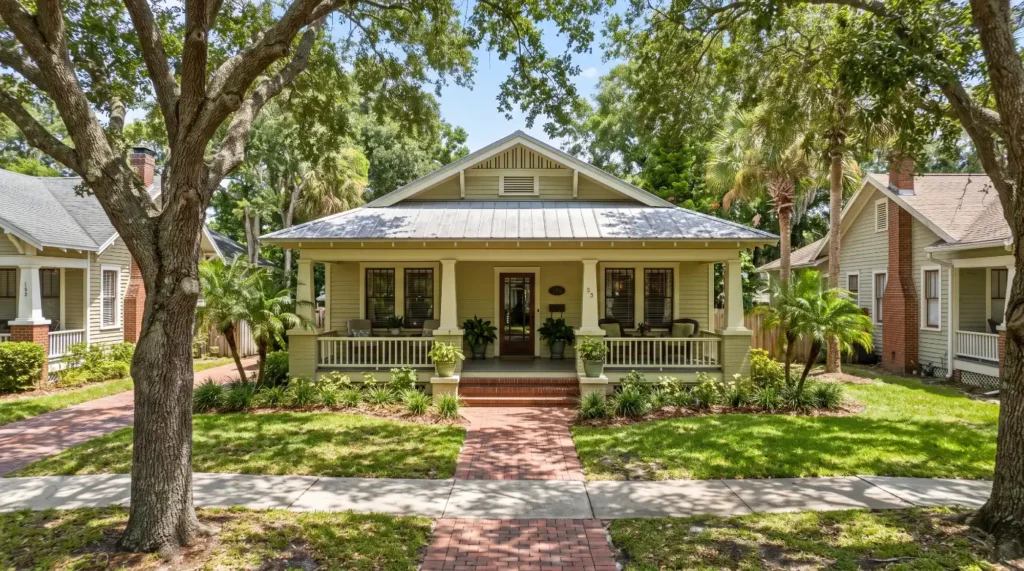
A Winter Park single-family home built in 1972 experiences a sudden structural slab crack along its main hallway, accompanied by persistent sewer gas odors and chronic drain backups. The homeowner hires a traditional rooter service, which deploys a mechanical snake down the cleanout. The spinning steel blade catches on an oxidized ridge along the pipe’s interior, punching through the thinned iron invert and causing the surrounding sub-grade dirt to collapse into the line. What appeared to be a routine clog was actually the final stage of subterranean metal pipe failure—a structural collapse driven by decades of aggressive chemical reaction between Central Florida’s acidic soils, fluctuating water tables, and internal sulfuric acid generation.
Across Orlando, Ocoee, Windermere, Lake Mary, and Kissimmee, infrastructure managers and property owners routinely misdiagnose metal pipe failure as simple aging. In reality, subterranean metallic conduits operate inside a continuous chemical reactor. The region’s unique environmental conditions create a rapid corrosion process that degrades buried cast iron, ductile iron, and galvanized steel lines much faster than in drier, higher-pH geographical regions.
The environmental breakdown follows a defined subterranean degradation sequence:
-
Acidic Soil Contact: Low-pH sandy soils and fluctuating groundwater bathe the pipe exterior, initiating galvanic electron transfer and localized iron loss.
-
Internal Acid Off-Gassing: Hydrogen sulfide gas released from stagnant wastewater condenses along the dry top arch of the pipe, where bacteria convert it into biogenic sulfuric acid.
-
Dual-Front Corrosion: Simultaneous exterior soil graphitization and interior acid pooling eat away the structural iron shell from both sides.
-
Bottom-Channel Erosion: The lower invert of the pipe rots out completely, allowing raw effluent to escape into the sub-slab environment.
-
Soil Voiding and Slab Settlement: Escaping wastewater washes away compacted sub-grade sand, creating cavernous voids beneath the foundation that cause floor tile cracking, slab deflection, and full structural collapse.
Understanding how atmospheric humidity and soil chemistry interact with subterranean infrastructure allows property owners, municipal engineers, and commercial managers to stop mechanical pipe destruction early and implement permanent, non-invasive rehabilitation solutions.
How Do Central Florida Soil Acidity and Humidity Accelerate Subterranean Metal Pipe Deterioration?
Central Florida soil acidity and high humidity accelerate subterranean metal pipe deterioration by creating a dual-front electrochemical attack: acidic, high-resistivity sandy soils combined with fluctuating water tables drive external galvanic corrosion, while high atmospheric humidity and organic wastewater off-gassing create internal sulfuric acid condensation that rots pipe channels from the inside out.
The subterranean environment in Central Florida subjects buried metal pipes to two distinct, relentless vectors of chemical and structural degradation:
-
The External Corrosion Attack: Low-pH acidic soils (pH 4.5 to 6.0) combined with a high, fluctuating water table drive active galvanic electron transfer, leaching iron out of the pipe walls and leaving behind a brittle, porous graphite shell through soil graphitization.
-
The Internal Corrosion Attack: High atmospheric humidity prevents drainage lines from drying, allowing hydrogen sulfide gas off-gassed by stagnant organic waste to condense along upper pipe arches, where aerobic bacteria convert it into concentrated biogenic sulfuric acid that pools along and eats through the bottom channel.
The soil chemistry across Central Florida is heavily influenced by ancient marine deposits, pine flatwoods, and decaying organic matter, yielding soil pH levels that routinely drop between 4.5 and 6.0. When metallic pipes like gray cast iron are buried within this acidic medium, the surrounding damp environment acts as a continuous electrolyte.
This environment initiates an electrochemical cell where iron molecules oxidize and leach away into the soil, leaving behind a brittle, graphite-rich matrix in a process known as graphitizing corrosion.
1. The Chemistry of External Soil Acidification and Galvanic Transfer
Buried pipes do not rust uniformly; they corrode through galvanic action driven by soil moisture and differential aeration. In areas like Lake Mary and Windermere, sandy soils allow rainwater to percolate rapidly while carrying dissolved organic acids from leaf litter and lawn fertilizers down to the pipe depth.
When the water table rises during summer rainy seasons, it submerges the bottom of the pipe while leaving the top arch exposed to moist soil air. This moisture gradient establishes differential aeration cells:
-
Anodic Zones: The submerged, oxygen-starved lower section of the pipe becomes anodic, releasing ferrous ions ($Fe^{2+}$) into the wet soil matrix and shedding metal thickness.
-
Cathodic Zones: The damp, oxygen-rich upper section acts as the cathode, drawing electrons through the pipe body and accelerating lower invert loss.
-
Resistivity Drop: Saturated sandy soil drops subterranean electrical resistivity, allowing galvanic corrosion currents to flow freely along the pipeline outer shell.
-
Graphitic Leaching: Iron elements leach out completely, leaving a dark, porous graphite network that appears structurally intact under low-grade visual inspection but crumbles under minimal mechanical pressure.
2. High Ambient Humidity and Internal Hydrogen Sulfide Conversion
While external soil chemistry degrades the outer pipe shell, internal atmospheric conditions in Central Florida drive an equally destructive chemical process from within. High ambient humidity prevents drainage networks from drying out, creating high moisture levels inside indoor drain stacks and underground sewer mains.
In low-slope residential and commercial drainage runs, organic waste settles along the bottom channel. Anaerobic bacteria (Desulfovibrio) thrive in this warm, oxygen-depleted effluent, converting naturally occurring sulfates into hydrogen sulfide gas ($H_2S$).
As $H_2S$ off-gasses into the humid pipe interior, it collects along the dry top arch of the pipe. There, aerobic bacteria (Thiobacillus) oxidize the gas into biogenic sulfuric acid ($H_2SO_4$).
This concentrated acid trickles down the sidewalls and pools along the pipe invert, creating a continuous acid bath that dissolves cast iron, forms heavy tuberculation crusts, and ultimately eats through the bottom channel entirely.
3. The Structural Consequence: Sub-Slab Washout and Foundation Settling
When internal sulfuric acid pooling and external galvanic graphitization meet, the pipe loses its structural invert, exposing raw sub-slab earth to active wastewater flows. Every toilet flush or commercial drain discharge forces water directly into the surrounding soil matrix.
In sandy Central Florida soils, this continuous liquid injection creates subterranean soil erosion:
-
Void Formation: Effluent washes away compacted sub-grade sand, creating cavernous structural voids directly beneath concrete slab foundations.
-
Slab Deflection: Without solid earth support, heavy concrete slabs must bridge empty spans, resulting in foundation cracking, unlevel flooring, and tile shearing.
-
Slab Settling: Sub-grade soil loss eventually causes structural slab drops, binding interior doors and cracking perimeter load-bearing walls.
-
Soil Contamination: Untreated raw sewage saturates the earth beneath living spaces, introducing biohazards, mold spores, and toxic sewer gases into indoor air environments.
Property owners noticing early symptoms of drainage slowdowns or structural floor cracking can evaluate non-invasive rehabilitation paths through advanced sewer line & drain repair options.
4. Why Traditional Drain Snaking Causes Immediate Pipeline Collapse
When property owners notice slow drains, they frequently hire standard drain clearing services to run mechanical steel snakes down the system. In severe corrosion environments, this approach creates major structural risks.
A high-torque flexible steel cable equipped with a rotating metal cutting head acts as an unguided battering ram inside fragile, graphitised cast iron. The rotating head catches on interior tuberculation ridges and strikes the thinned top arch or rotted bottom channel, tearing out large sections of iron wall and turning a lineable pipe into a total subterranean cave-in.
How Does Non-Invasive Trenchless Rehabilitation Stop Chemical Pipe Corrosion?
Non-invasive trenchless rehabilitation stops chemical pipe corrosion by using Cured-In-Place Pipe (CIPP) lining or epoxy spray technology to isolate the structural conduit from external soil acids and internal sulfuric gas, creating an ASTM F1216-compliant, jointless structural pipe-within-a-pipe that eliminates slab excavation and delivers a 50+ year design life.
Comparing Cured-In-Place Pipe (CIPP) trenchless lining against traditional open-cut slab trenching demonstrates significant structural, financial, and operational advantages across key engineering benchmarks:
-
Soil Acid Isolation: CIPP lining creates a 100% sealed polymer barrier that permanently separates the structural conduit from acidic groundwater and soil. Traditional excavation exposes replacement PVC pipes to ongoing soil settling and joint displacement risks.
-
Structural Design Life: CIPP delivers a certified 50+ year stand-alone structural lifespan under ASTM F1216 standards, matching the longevity of Schedule 40 PVC installed via open excavation.
-
Interior Structural Impact: CIPP requires zero concrete slab destruction or floor removal, working entirely through existing external cleanouts. Traditional trenching requires heavy jackhammering through indoor tile, hardwood, and slab foundations.
-
Hydraulic Flow Efficiency: CIPP creates a smooth interior surface with a Manning’s roughness coefficient ($n$) of 0.009, compared to newly installed PVC at 0.011 and corroded cast iron at 0.018.
-
Sub-Slab Soil Stability: CIPP maintains complete sub-grade integrity without disturbing underlying soil matrices. Traditional excavation introduces high risks of foundation settling and soil instability during backfilling.
-
Installation Timeline: CIPP rehabilitation takes 1 to 2 days from setup to final cure, whereas traditional slab trenching requires 1 to 3 weeks of active demolition and reconstruction.
Rather than cutting open floor slabs with concrete saws and jackhammers to dig out corroded metal lines, trenchless engineering utilizes the existing pipe as a host guide.
By inserting high-performance polymer liners or centrifugal epoxy coatings through external cleanouts or roof access points, specialists construct a corrosion-impervious barrier that insulates the system against environmental degradation.
The Engineering Mechanics of CIPP Structural Rehabilitation
Trenchless Cured-In-Place Pipe rehabilitation relies on precise mechanical surface preparation and advanced polymer chemistry, governed by ASTM F1216 (Standard Practice for Rehabilitation of Existing Pipelines and Conduits by the Inversion and Curing of a Resin-Impregnated Tube). The process follows four distinct technical phases:
-
Robotic Descaling and Surface Preparation: Mechanical flex-shaft units clear tuberculation without damaging remaining wall structure.
-
Vacuum Resin Impregnation (“Wet-Out”): High-modulus epoxy resin is drawn through a textile felt tube under a total vacuum seal.
-
Air/Water Pressure Inversion: Compressed air or water pressure inverts the liner inside-out into the host pipe.
-
Thermal or Ambient Cross-Linking Curing: Exothermic polymerization hardens the liquid resin into a solid, standalone structural pipe shell.
Phase 1: Precision Descaling & High-Pressure Hydro-Flushing
Before installing a structural liner, all internal tuberculation, iron scale, and chemical deposits must be removed down to bare structural metal. Field technicians deploy high-speed flex-shaft descalers fitted with carbide-tipped chain knockers.
These heads expand centrifugally inside the pipe, gently knocking away brittle iron scale without fracturing the outer pipe shell. Simultaneously, precision hydrojetting and drain cleaning streams scour the surface clean, flushing out loosened debris and restoring the pipe’s internal diameter.
Phase 2: Vacuum Resin Impregnation (“Wet-Out”)
A flexible, needle-felt liner sleeve tailored to the precise diameter and length of the host pipe is saturated with a two-part structural epoxy resin system.
To guarantee that no air voids or weak spots exist within the composite matrix, the resin is drawn into the felt under a continuous vacuum seal. The epoxy formulation is engineered specifically to withstand thermal expansion, acid exposure, and subterranean moisture environments.
Phase 3: Pressure Inversion and Wall Calibration
The saturated felt liner is loaded into an inversion drum. Using regulated compressed air or hydro-static water pressure, the liner is inverted (turned inside out) as it travels through the corroded host pipe.
This inversion process pushes the epoxy resin directly against the rough interior iron walls, filling micro-fissures, sealing structural cracks, and bridging missing bottom channels. An internal calibration tube expands under continuous pressure, holding the liner flush against the pipe wall during the curing process.
Phase 4: Controlled Polymerization and Quality Verification
Once fully expanded, the epoxy resin undergoes polymerization, cross-linking liquid monomers into an inert structural polymer shell. Curing occurs via ambient air circulation, hot water recirculation, or steam injection depending on pipe geometry and project parameters.
Once fully cured, technicians depressurize and pull the calibration tube, leaving behind a smooth, seamless inner pipe that completely prevents future soil acid contact and internal corrosion. The final rehabilitation is validated using high-resolution cameras via HD video pipe inspections.
Epoxy Spray and Brush Coating for Complex Branch Lines
While full CIPP liners are ideal for main horizontal runs under slabs, smaller vertical drainage stacks or short-radius branch lines with multiple 90-degree turns present space constraints for thick felt tubes. In these applications, trenchless specialists deploy precision epoxy spray and brush coating.
Using automated centrifugal spray heads lowered down vertical stacks or pushed into lateral branches, technicians apply a uniform 100% solids epoxy coating directly onto prepared metal surfaces. This barrier seals micro-fractures, smooths rough surfaces, and stops internal acid attack without altering line geometry. Property owners can learn more about non-invasive coating techniques by exploring pipe spray & brush coating rehab.
Real-World Case Scenarios: Resolving Subterranean Pipe Corrosion
Scenario 1: The Pre-1980s Single-Family Slab Home (Windermere, FL)
A 1974 single-family home in Windermere experienced chronic primary bathroom drain backups and persistent sulfur odors. An initial camera diagnostic revealed that 28 linear feet of cast iron drainage pipe beneath the home’s poured concrete slab had suffered total bottom-channel erosion due to acid pooling, leaving raw wastewater washing directly into sub-grade sand. Traditional excavation quotes averaged $42,000, requiring two weeks of concrete jackhammering, custom flooring removal, and family relocation.
Evaluating the project metrics contrasts the two execution models directly:
-
Traditional Open-Cut Slab Trenching: Required 14 full days of invasive construction, generated $16,000 in secondary flooring and drywall repair expenses, necessitated jackhammering 28 linear feet of indoor concrete slab, and forced the homeowners into a two-week hotel relocation.
-
CIPP Trenchless Rehabilitation: Successfully completed in 1 single day, incurred $0 in secondary floor or wall damage, required 0 linear feet of slab demolition, and allowed the family to remain comfortably inside their home overnight.
The Trenchless Solution: Pipeflow Solutions deployed flex-shaft mechanical descaling tools through an external cleanout to clear oxidation along the top arch of the pipe, followed by hydro-flushing to clean the channel. A structural felt liner impregnated with high-modulus epoxy resin was inverted from the exterior cleanout, spanning the damaged sub-slab run. The resin cured in six hours, creating a seamless, acid-resistant pipe-within-a-pipe that bridged the missing bottom channel and eliminated sewer gas leaks in a single day. Homeowners dealing with similar residential drain failures can review specialized services at residential pipelining & plumbing.
Scenario 2: Multi-Story Vertical Stack Leaks in a High-Rise Condo (Orlando, FL)
A 14-story condominium tower in downtown Orlando experienced recurring greywater leaks across lower floor units. High atmospheric humidity and sewer gas off-gassing had severely oxidized the internal walls of a 4-inch vertical cast iron stack line running through drywall chases. Replacing the stack via open-cut construction would have required breaking into bathroom walls across 14 separate private residences, triggering major resident displacement and costly asbestos abatement protocols.
The non-invasive rehabilitation process followed a clear five-step operational sequence:
-
Roof Access Rigging: Technicians anchored inversion equipment, video systems, and polymer feed lines directly from the roof stack access point.
-
Robotic Mechanical Scale Removal: High-speed flex-shaft descaling heads lowered down the stack removed heavy tuberculation crusts without vibrating adjacent interior drywall.
-
PACP Video Alignment Inspection: Optical camera systems logged interior cleanliness and verified lateral connection branch entry positions.
-
Centrifugal Epoxy Application: Automated rotating spray nozzles applied a high-build polyurea epoxy layer evenly along the vertical cast iron surface.
-
Zero Unit Disruption: The entire stack was completely sealed and structural integrity restored with zero entry into individual private living units.
The Trenchless Solution: Technicians accessed the stack from the roof vent, deploying robotic flex-shaft descalers to scrub away internal tuberculation. They then applied a high-build polyurea epoxy coating using an automated centrifugal spray head lowered down the vertical line. The polymer layer bonded directly to the iron wall, sealing all joint separations and micro-cracks without requiring technicians to step foot inside a single private living unit. Condo boards and HOA trustees managing similar high-density properties can evaluate options via condo / HOA / multi-family services.
Scenario 3: Main Sewer Line Collapse at a Commercial Facility (Lake Mary, FL)
A major medical office park in Lake Mary experienced a main sewer line backup beneath its central lobby corridor. High soil moisture and acid pooling had compromised a 6-inch subterranean cast iron main line. Opening the lobby floor via conventional trenching would have forced the facility to close clinics, cancel surgical procedures, and lose substantial operational revenue.
The overnight restoration was executed according to a strict hourly timeline:
-
07:00 PM: Set up high-capacity temporary bypass pumping systems and isolated the primary sewer main line.
-
09:30 PM: Completed robotic flex-shaft descaling and hydrojetting to clear loose iron scale and sediment.
-
11:45 PM: Inverted the custom-tailored CIPP structural liner through an exterior access manhole.
-
04:30 AM: Concluded the thermal cure cycle, depressurized the system, and removed the calibration tube.
-
06:15 AM: Conducted final NASSCO PACP robotic video verification to confirm a smooth, defect-free interior.
-
07:00 AM: Decommissioned bypass equipment and opened the medical facility for scheduled patient care on time.
The Trenchless Solution: Engineering crews mobilized overnight, setting up high-capacity bypass pumping to maintain continuous facility drainage. They descaled the line using robotic chains and inverted a heavy-duty structural CIPP liner through an exterior access manhole. The liner cured overnight, restoring structural integrity and hydraulic flow before the facility opened at 7:00 AM, resulting in zero clinical downtime or lost revenue. Commercial facility directors facing similar operational constraints can find tailored solutions under commercial pipelining & plumbing.
Scenario 4: Stormwater Culvert Failure Under a Major Roadway (Ocoee, FL)
A municipal public works department in Ocoee identified structural deterioration along a 30-inch corrugated metal stormwater culvert passing beneath a primary four-lane roadway. High water tables and acidic soil runoff had corroded the bottom invert of the pipe, leading to localized soil wash-out beneath the pavement and posing a severe road settlement risk.
The Trenchless Solution: Municipal engineers selected a structural CIPP liner designed according to American Society of Civil Engineers infrastructure guidelines. Working through existing catch basins during off-peak night hours, technicians inverted a 12mm-thick structural liner through the culvert. The cured liner fully restored the culvert’s load-bearing capacity, sealed out groundwater infiltration, and stabilized the surrounding soil matrix without closing a single traffic lane. Municipal engineers and public works directors can explore broader civil solutions at municipal infrastructure pipelining.
Strategic Capital Reserve Planning for HOAs and Commercial Properties
For condominium boards, HOA trustees, and commercial facility directors, responding to subterranean pipe corrosion is a major financial, structural, and fiduciary decision. Florida Condominium Law (FS 718) mandates that associations maintain adequate capital reserve funds for building infrastructure repair and replacement. Traditional slab trenching creates major financial risks for property associations:
-
Unbudgeted Capital Reserve Depletion: Traditional slab excavation incurs massive secondary costs—including tile reconstruction, hardwood floor replacement, interior drywall repair, and landscaping restoration—that quickly drain association reserve accounts.
-
Fiduciary Liability & Unit Owner Claims: Long, invasive construction projects disrupt residents, generating loss-of-use claims, parking disputes, and potential legal exposure for board members. Trenchless lining avoids interior access, preserving resident quality of life and limiting liability.
-
Stabilizing Property Insurance Loss Ratios: Chronic leaks from acidic pipe corrosion cause mold claims and property damage, driving up insurance deductibles. Documenting proactive pipeline rehabilitation with NASSCO-compliant video surveys proves sound risk management to insurance underwriters, stabilizing premium rates.
Evaluating traditional concrete excavation against trenchless CIPP lining across core capital management metrics reinforces the financial advantages of non-invasive infrastructure rehabilitation:
-
Capital Reserve Account Impact: Traditional slab trenching causes severe, unpredictable reserve depletion driven by wide-ranging secondary interior reconstruction costs. CIPP lining offers a predictable, fixed-scope investment that preserves reserve capital.
-
Secondary Interior Restoration Costs: Traditional excavation requires tens of thousands of dollars for tile re-laying, concrete slab re-pouring, and drywall repairs. CIPP lining requires $0 in interior restoration because installation takes place through external cleanout points.
-
Facility and Residential Downtime: Traditional excavation causes weeks of business disruption, lost rental income, or resident displacement. CIPP lining limits facility downtime to a matter of hours, frequently scheduled overnight or during off-peak shifts.
-
Structural Warranty Engineering Standards: Traditional open-cut pipe replacement relies on basic contractor installation warranties. CIPP lining delivers a fully engineered, third-party tested 50-year structural lifespan complying with ASTM F1216 standards.
-
Insurance Premium and Loss Ratio Impact: Traditional excavation prolongs water leak exposure during lengthy construction windows, increasing mold risk. CIPP lining rapidly eliminates active leak vectors, helping lower loss ratios and stabilize insurance deductibles.
Property managers and board members planning long-term infrastructure funding can evaluate options through financing options and real-world project studies on customer reviews & case studies.
Technical Misconceptions & Infrastructure Tradeoffs
Evaluating subterranean pipeline failure requires addressing common industry misconceptions regarding metal pipe corrosion and trenchless restoration:
Myth 1: “A Pipe with Bottom-Channel Rot Requires Full Slab Excavation”
The Engineering Reality: Bottom-channel erosion does not automatically require slab demolition. As long as the host pipe retains its top arch and general round shape (losing less than 20-30% of its original ovality), a CIPP liner can be inverted through the line. The epoxy liner bridges the missing bottom metal section, using the surrounding soil and remaining pipe arch as a mold to create a standalone, structural composite pipe that complies with ASTM F1216.
Pipelining suitability correlates directly with host pipe physical geometry:
-
Bottom-Channel Rot with Intact Top Arch: Fully suitable for CIPP lining; resin bridges the missing bottom invert completely.
-
Longitudinal Stress Cracks and Seam Leaks: Fully suitable for CIPP lining; epoxy seals all structural cracks and joint separations.
-
Heavy Surface Tuberculation and Scaling: Fully suitable for CIPP lining; robotic descaling easily restores original internal diameter.
-
Total Structural Collapse or Ovality Beyond 30%: Unsuitable for standard CIPP lining; requires localized spot excavation or overhead rerouting.
Myth 2: “High-Pressure Hydrojetting Destroys Fragile Old Metal Lines”
The Engineering Reality: High-pressure hydrojetting uses controlled water volume and specialized rear-facing nozzle angles to scour pipe interiors without damaging intact metal walls. Evaluating the mechanics of hydrojetting against mechanical snaking illustrates why fluid dynamics are superior for aged cast iron:
-
Hydrojetting Mechanics: Utilizes fluid shear pressure from multi-directional water streams to wash away loose scale and grease.
-
Hydrojetting Structural Risk: Exceptionally low risk for aged cast iron when operated by trained technicians using calibrated pressure settings.
-
Mechanical Snaking Mechanics: Relies on high-torque rotational steel cables with rigid cutter heads striking the interior walls.
-
Mechanical Snaking Structural Risk: Extremely high risk; the striking action cracks fragile, thinned iron walls and punctures bottom channels.
When performed by trained specialists using pressure regulators adjusted for host pipe conditions, hydrojetting is the safest preparation method for fragile legacy pipelines.
Myth 3: “Installing an Internal CIPP Liner Restricts Waste Flow Capacity”
The Engineering Reality: While a CIPP liner reduces the internal diameter of a pipe slightly (typically by 3 to 6 millimeters), it significantly improves total hydraulic flow capacity. The interior surface of cured epoxy resin is exceptionally smooth, featuring a Manning’s Roughness Coefficient ($n$) of approximately 0.009, compared to heavily tuberculated cast iron, which ranges from 0.015 to 0.020.
A 50% reduction in Manning’s roughness coefficient ($n$) significantly increases fluid velocity ($V$), fully compensating for tiny reductions in hydraulic radius ($R$).
Key Takeaways
-
Soil Chemistry Drives Pipe Failure: Low pH acidic soils combined with high water tables and internal humidity create an aggressive corrosion environment that rapidly degrades Central Florida subterranean metal pipes.
-
Stop Mechanical Snaking Early: High-torque steel snakes punch through fragile, acid-etched cast iron walls. Use NASSCO-certified robotic camera inspections and controlled hydrojetting to protect pipe integrity.
-
CIPP Seals Out Acid and Eliminates Slab Excavation: Cured-In-Place Pipe (CIPP) lining creates a seamless, standalone structural pipe within the host pipe, meeting ASTM F1216 standards and delivering a 50+ year design life without jackhammering concrete slabs.
-
Use Epoxy Spray for Stack and Branch Lines: Complex vertical stacks and tight 90-degree branch lines benefit from centrifugal epoxy spray coating when felt liners are structurally unfeasible.
-
Trenchless Rehabilitation Preserves Capital Reserves: For HOA boards, commercial directors, and municipal managers, non-invasive rehabilitation limits costs, eliminates resident displacement, and preserves capital reserves.
Protect Your Property with Central Florida’s Trenchless Authorities
Subterranean pipe corrosion caused by soil acidity and high humidity does not have to mean weeks of destructive slab trenching, ruined interior finishes, and drained capital reserves. Pipeflow Solutions provides advanced non-invasive trenchless rehabilitation, robotic descaling, and high-definition video pipe diagnostics across Ocoee, Orlando, Winter Park, Windermere, Lake Mary, and surrounding Central Florida communities.
Whether you are a homeowner dealing with main line drainage backups, an HOA board director navigating vertical stack leaks, or a commercial facility manager protecting operational uptime, our team delivers long-lasting pipeline solutions.
Contact our engineering team today to schedule an NASSCO-compliant HD video pipe inspection or request a technical consultation by visiting our Contact Us page or calling/texting 855-858-1619.